





Digitization — Clean Inputs
Digitization is the foundation of every modern digital system. It determines whether downstream processes operate with clarity or inherit ambiguity.

Digitization is not simply scanning documents or collecting data. It is the disciplined process of converting real-world information into structured, verifiable, and system-ready inputs.
Every layer that follows — tokenization, ledgering, settlement, analytics, and orchestration — depends on the integrity of digitized inputs. When digitization is weak, risk compounds silently.
The Problem Digitization Solves
Most operational failures do not originate in advanced systems — they originate in inconsistent or untrustworthy inputs.
Traditional processes rely heavily on manual data entry, disconnected files, and interpretive records. These inputs are often incomplete, duplicated, or contradictory.
When systems attempt to automate or coordinate around poor inputs, reconciliation becomes constant, errors surface late, and accountability erodes.
Digitization solves this by enforcing structure, consistency, and validation at the point where information first enters the system.
What Digitization Actually Means
Digitization is about turning information into data that systems can trust, not just data that exists.

Proper digitization captures information in defined formats, with clear ownership, timestamps, validation rules, and contextual meaning.
A digitized input should answer key questions immediately: who provided it, when it was captured, what it represents, and how it may be used.
This discipline allows systems to process information without interpretation, reducing human dependency and downstream risk.
How Digitization Works
Digitization is a process discipline, not a technology choice.

Digitization begins when a real-world event, asset, or obligation is identified as record-worthy. This could be ownership, condition, quantity, location, or status.
That information is captured using defined schemas, validated for completeness, and bound to contextual metadata such as timestamps, source authority, and usage rules.
Once digitized properly, information becomes system-ready and can be safely used by automated processes without reinterpretation.
What Changes with Proper Digitization
The shift is not cosmetic — it is structural.
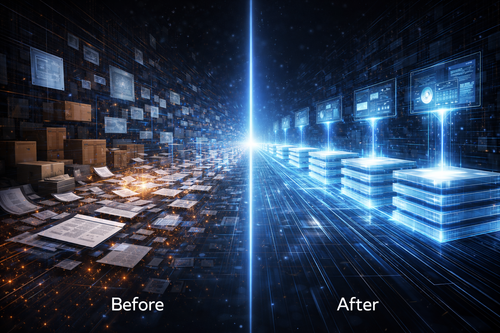
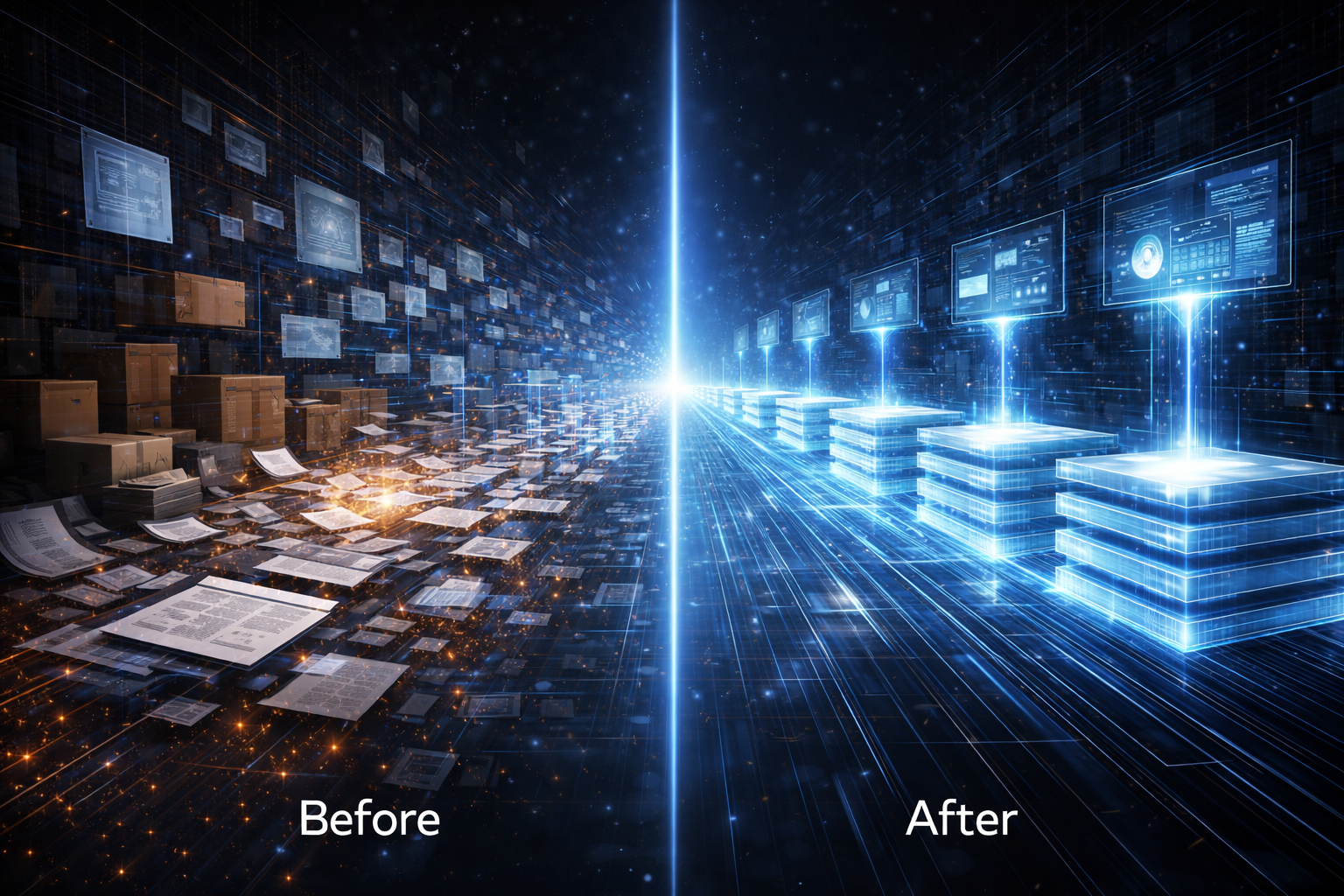
Traditional processes rely on documents, spreadsheets, and human interpretation. Digitization replaces these with structured, machine-readable records.
Instead of reconstructing what happened after the fact, systems can read authoritative data in real time.
This reduces reconciliation effort, accelerates workflows, and creates a foundation for scalable automation.
Before After
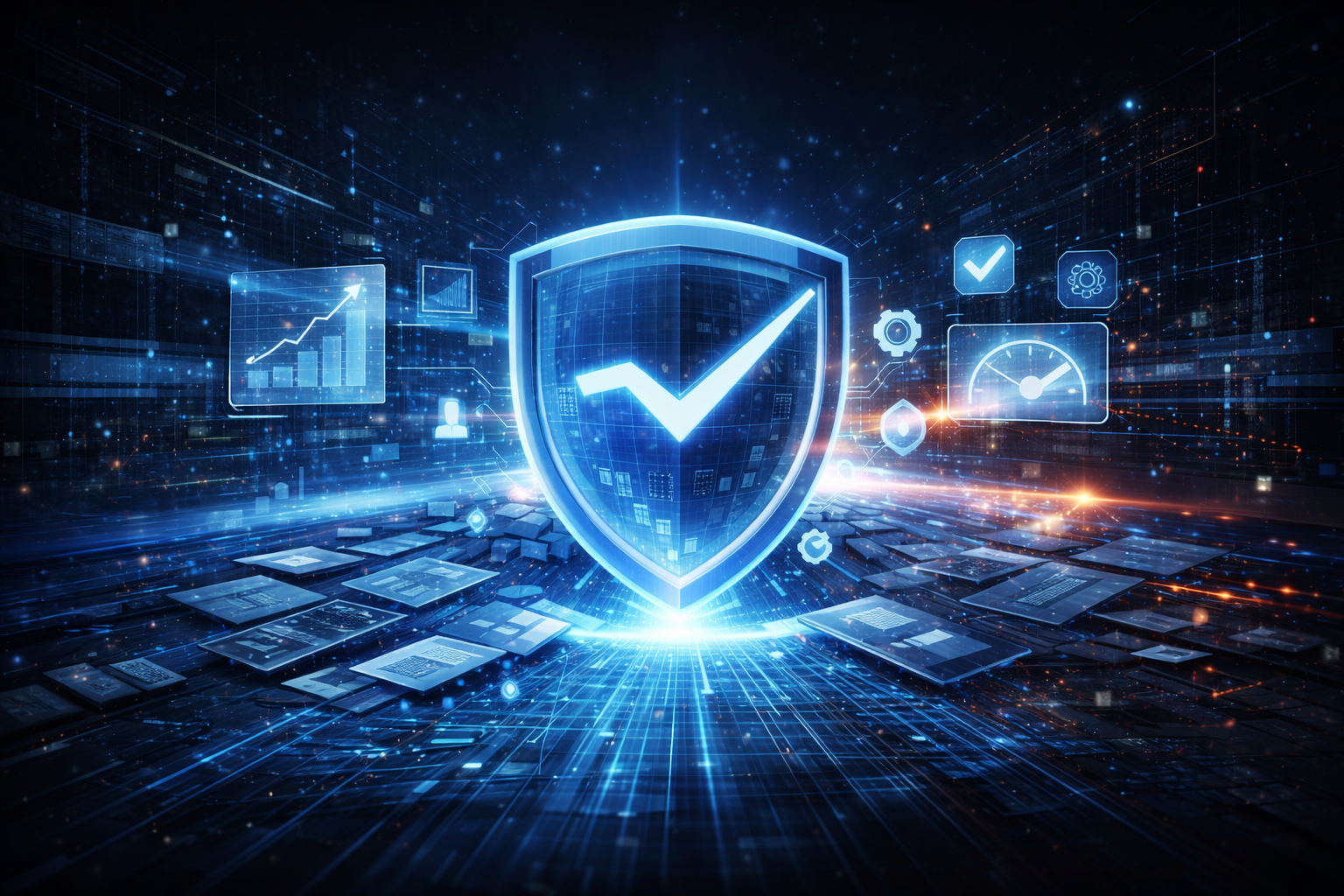
Risks of Weak Digitization
Poor inputs do not fail loudly — they fail quietly.

When digitization is inconsistent or incomplete, downstream systems operate on assumptions rather than facts.
Errors propagate across tokenization, ledgering, and settlement layers, often remaining undetected until audits, disputes, or loss events occur.
The cost of correcting weak digitization grows exponentially the further information travels through a system.
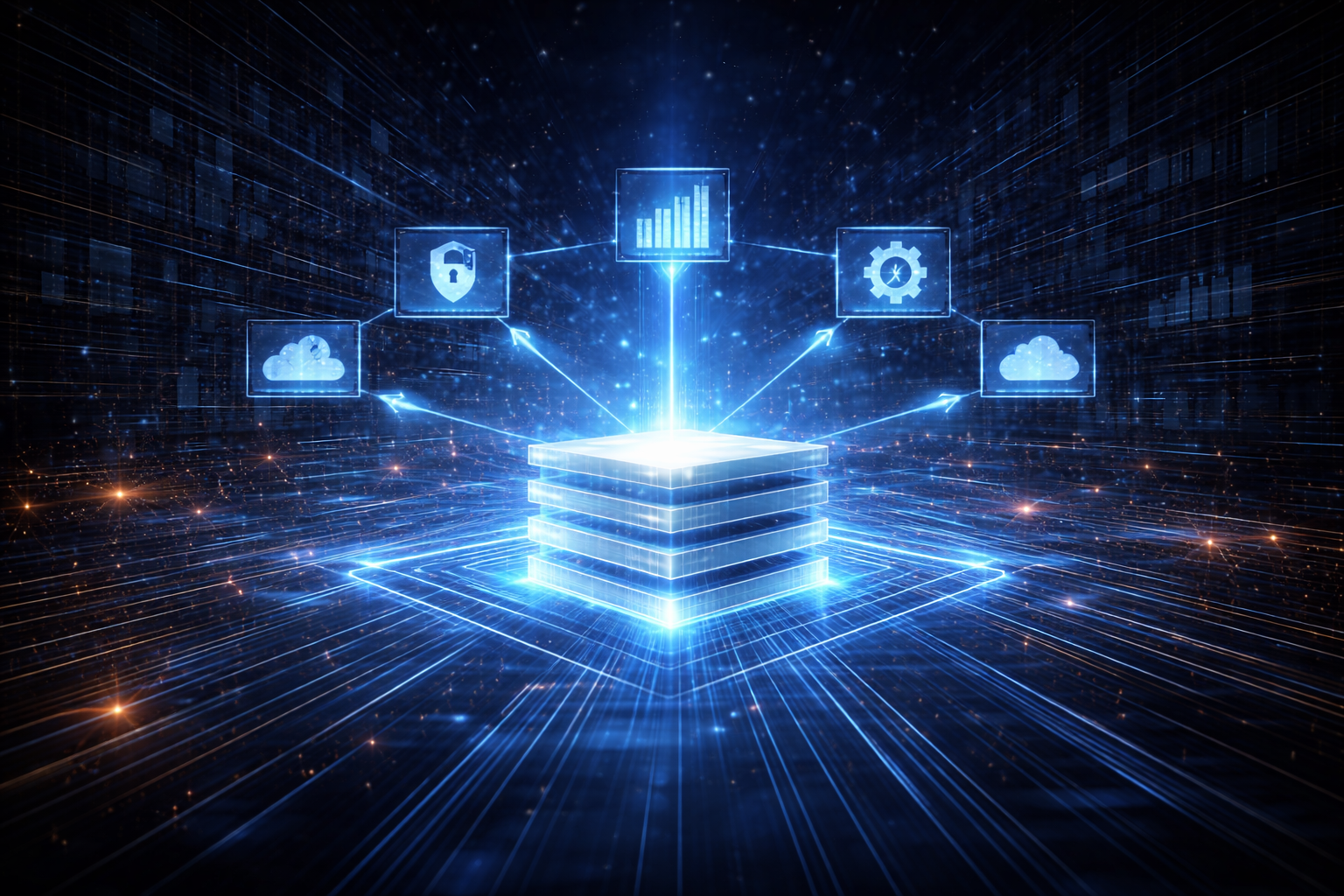
Where Digitization Fits
Digitization is the entry point for all higher-order systems.

Digitization feeds tokenization by defining what rights can exist. It feeds ledgering by defining what events are record-worthy.
Without strong digitization, orchestration and analytics lose reliability. With it, systems gain consistency and scale.
Why Digitization Is Strategically Important
Digitization determines how far automation and intelligence can go.

As organizations move toward real-time operations, digitization becomes a competitive differentiator.
Firms that digitize with discipline can move faster, manage risk earlier, and integrate new technologies with confidence.
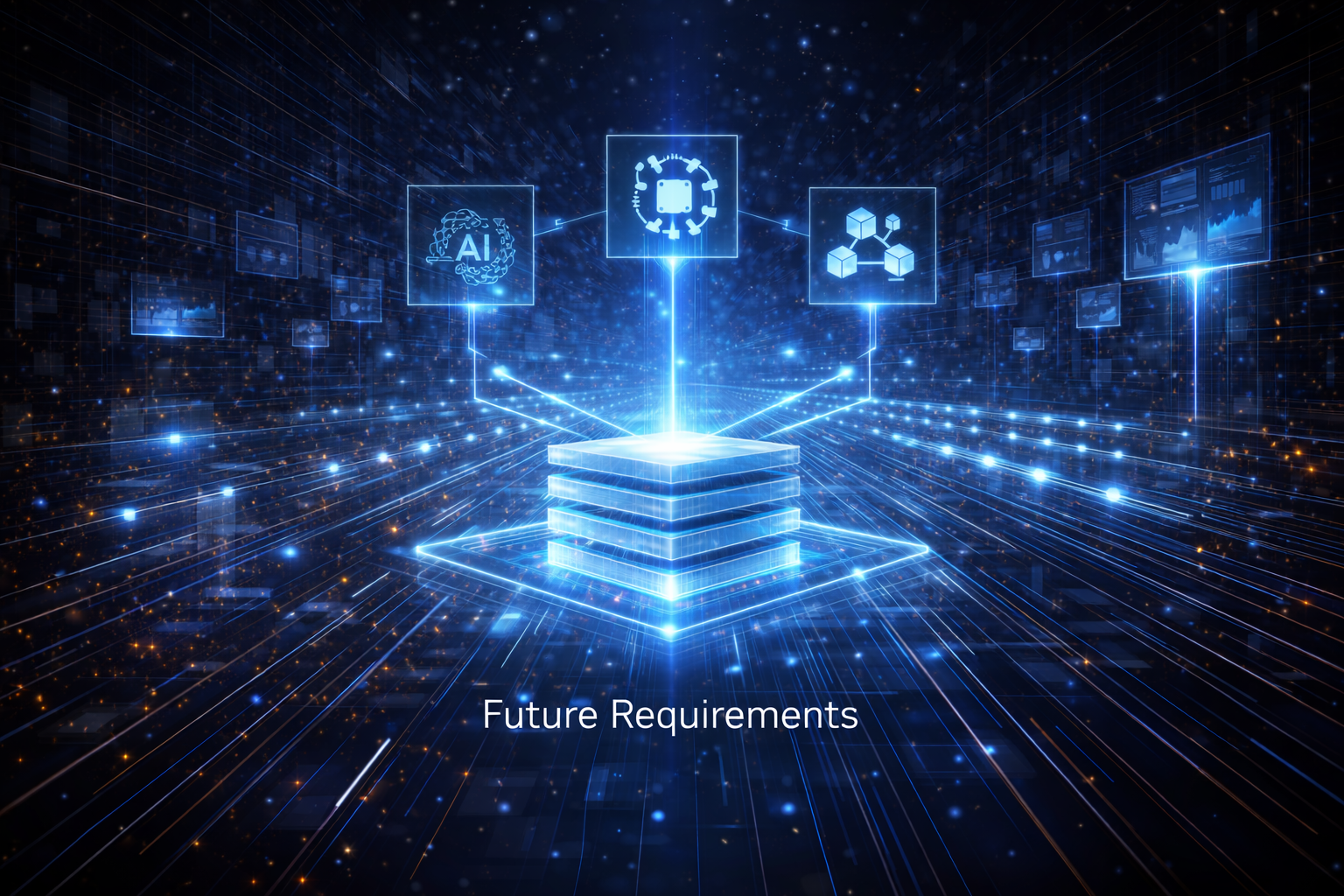
Future Requirements
Digitization is moving from best practice to baseline requirement.
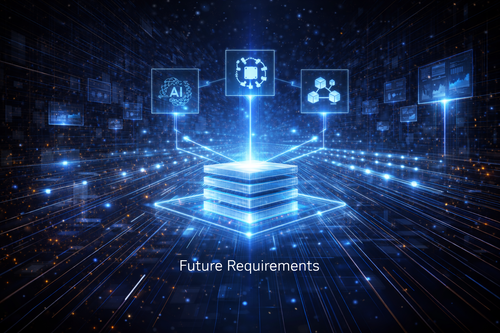
Regulatory scrutiny, automation, and cross-party coordination all demand higher-quality inputs.
Systems that cannot trust their data will struggle to scale in a real-time, multi-party environment.
From Digitization to Tokenization
Clean inputs enable enforceable rights.
Once information is digitized correctly, systems can begin defining rights, rules, and constraints around that data.
This is where tokenization begins — not with assets, but with trusted inputs.